Florida is home to thousands of spider species, but only a handful are considered medically significant. For Broward County homeowners, knowing which spiders pose a genuine threat-and which ones are harmless-is essential for keeping your family safe without unnecessary worry.
Here is a guide to the most dangerous spiders in the area, along with the common house spiders you are far more likely to encounter.
Southern Black Widow
The Southern black widow is the most well-known venomous spider in Florida and one of the few that poses a genuine medical concern.
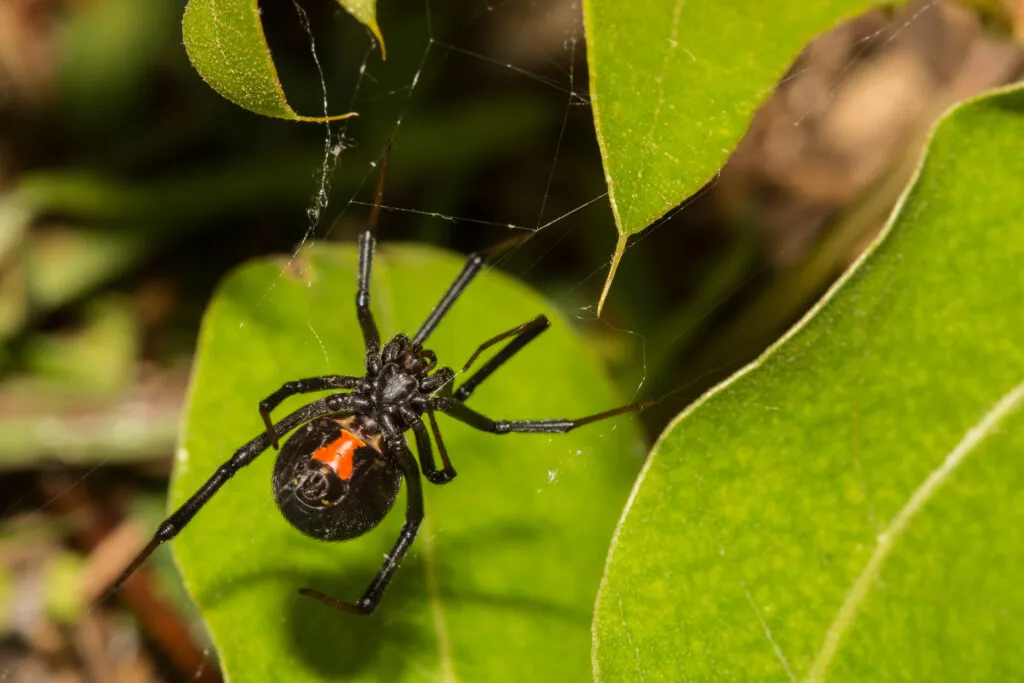
- Appearance. Glossy black body with a distinctive red hourglass marking on the underside of the abdomen. Females are larger and more recognizable than males.
- Habitat. Commonly found in dark, sheltered areas such as garages, sheds, woodpiles, meter boxes, and under outdoor furniture. They prefer undisturbed spaces where they can build irregular, tangled webs.
- Venom. Black widow venom is neurotoxic, meaning it affects the nervous system. Bites cause localized pain that can spread to muscles throughout the body, along with muscle cramps, nausea, sweating, and in rare cases, difficulty breathing. Medical attention is recommended for all suspected black widow bites.
Brown Widow Spiders
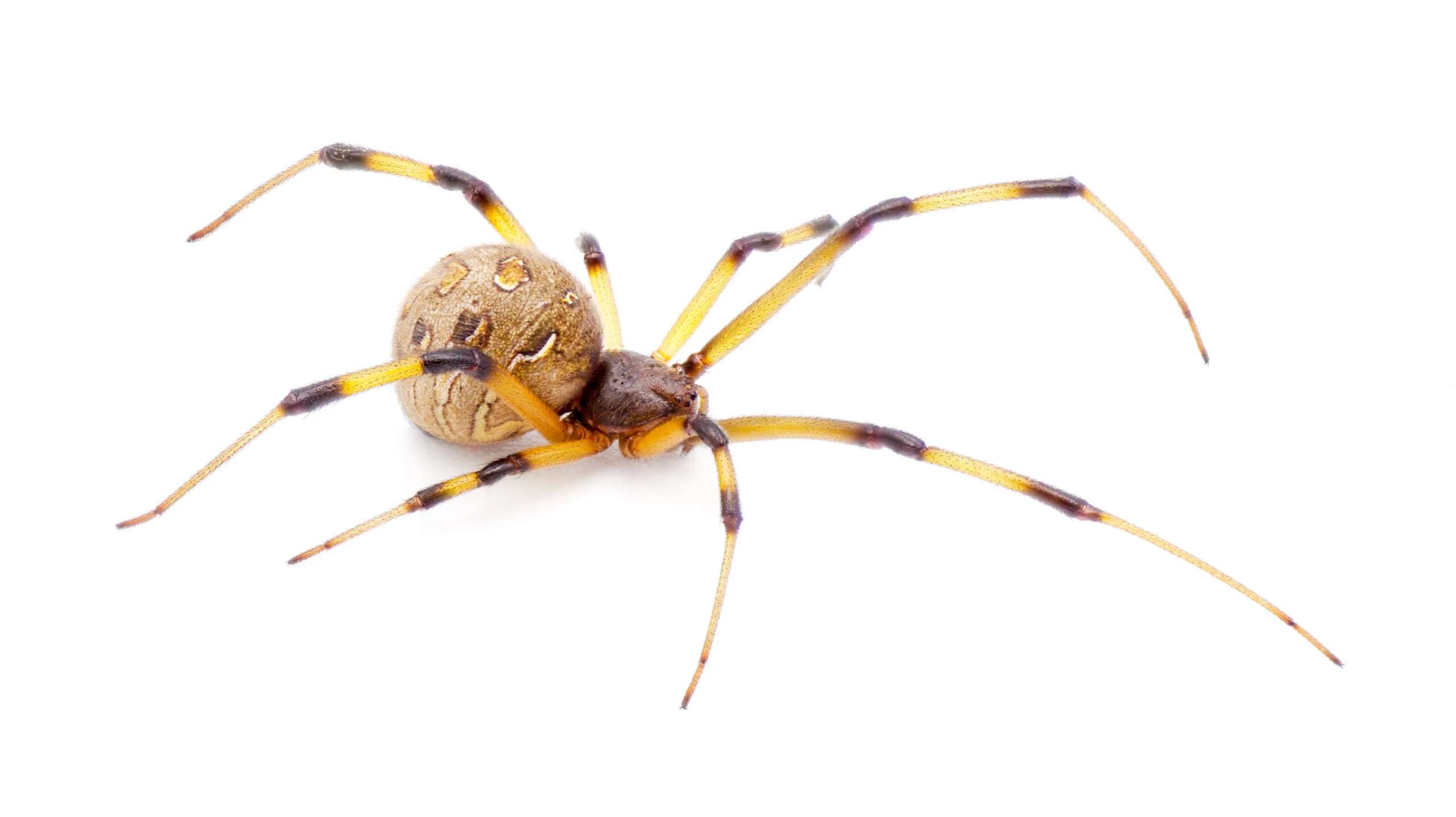
The brown widow is a relative of the black widow and has become increasingly common in South Florida in recent years.
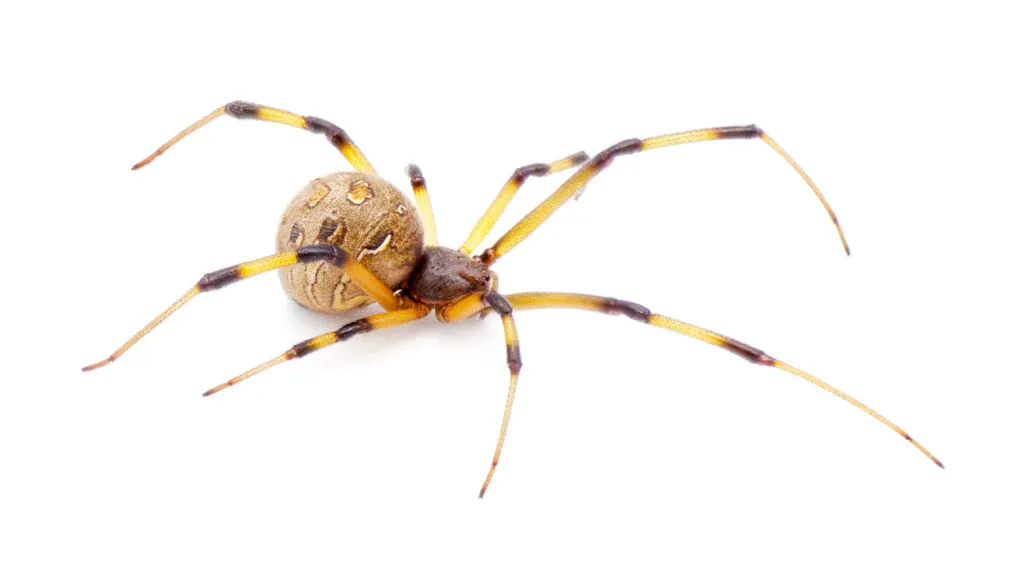
- Appearance. Tan to dark brown body with an orange or yellowish hourglass marking on the underside. Their coloring can vary, making them harder to identify than black widows.
- Egg sacs. Brown widows produce distinctive spiky egg sacs that look like small, round, cream-colored burrs. These egg sacs are one of the easiest ways to confirm their presence.
- Venom. Brown widows carry venom similar to black widows, but they inject significantly less venom per bite. Bites are painful but generally less severe. However, medical attention is still recommended, especially for children or the elderly.
Red Widow
The red widow is a rare Florida native species that most residents will never encounter, but it is worth knowing about.
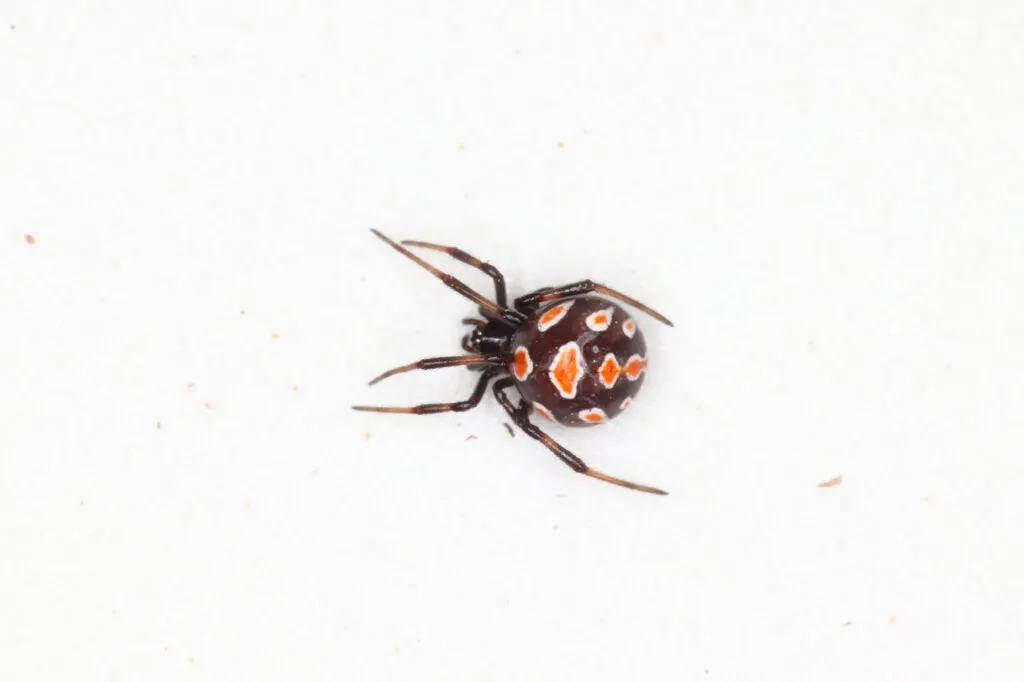
- Appearance. Reddish-orange legs and cephalothorax with a dark abdomen marked by red spots or markings. They are striking in appearance and distinct from other widow species.
- Habitat. Found primarily in scrub habitats of central Florida, particularly in palmetto-dominated areas. They are rarely encountered in Broward County's urban and suburban environments.
- Venom. Red widow venom is believed to be similar in potency to that of the black widow, but bites are extremely rare due to the species' limited range and reclusive behavior.
Brown Recluse
The brown recluse is one of the most feared spiders in the United States, but its reputation in Florida is largely undeserved.
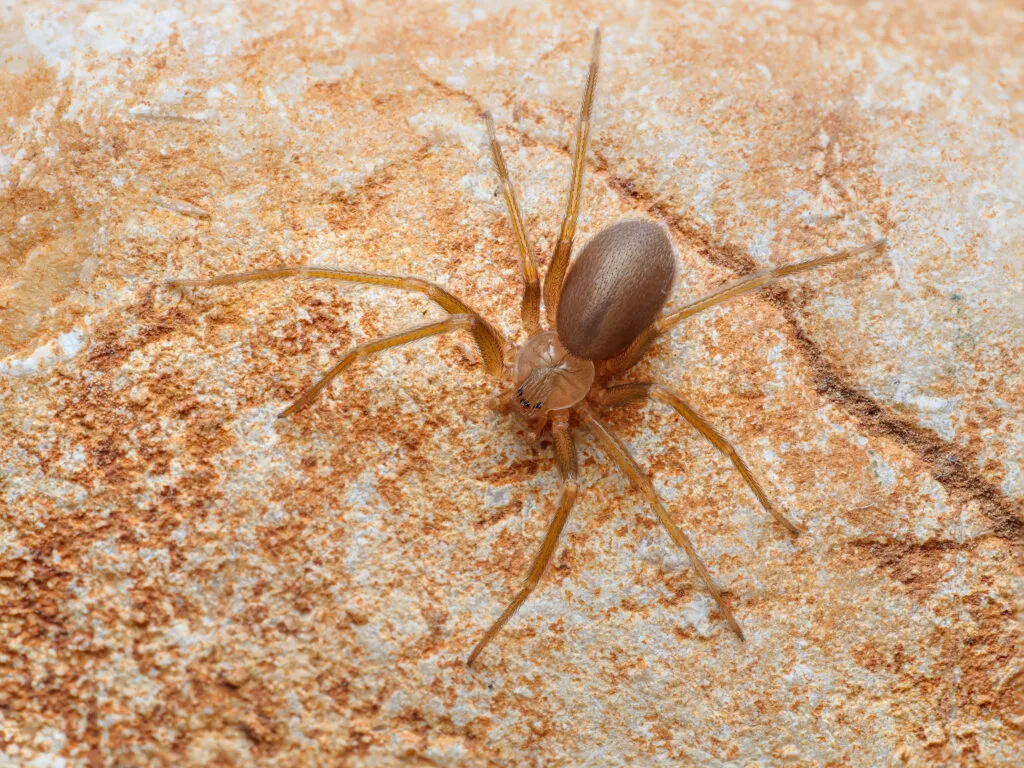
- Range. The brown recluse is NOT native to Florida and is very rare in Broward County. Established populations exist in the central and southern United States, but verified Florida sightings are uncommon and typically involve spiders transported in boxes or furniture from other states.
- Identification. Light to medium brown body with a distinctive violin or fiddle-shaped marking on the head (cephalothorax). They have six eyes arranged in three pairs, unlike most spiders which have eight eyes.
- Venom. Brown recluse bites can cause tissue necrosis-localized death of skin tissue-resulting in slow-healing wounds. However, encounters in Broward County are extremely uncommon, and many suspected brown recluse bites are actually caused by other conditions or spider species.
Common Florida House Spiders (Harmless)
The spiders you are most likely to encounter in your Broward County home are harmless and actually beneficial, as they feed on mosquitoes, flies, and other nuisance insects.
- Wolf spiders. Large, hairy, and fast-moving, wolf spiders are ground hunters that do not build webs. They can look intimidating due to their size, but their bites are no worse than a bee sting and they pose no medical threat.
- Jumping spiders. Small, colorful, and known for their excellent vision, jumping spiders are active daytime hunters. They are curious and may seem to "watch" you, but they are completely harmless.
- Cellar spiders. Thin, long-legged spiders commonly found in corners, closets, and garages. Often called "daddy longlegs," cellar spiders build messy webs and are entirely harmless to humans.
- Garden spiders. Large orb-web builders that create impressive circular webs in gardens and around exterior lights. They are beneficial pest controllers that catch large numbers of flying insects.
Spider Bite Treatment and Prevention
If you suspect you have been bitten by a spider, here is what to do:
First Aid
- Wash the bite area with soap and water immediately.
- Apply a cold compress or ice pack wrapped in a cloth to reduce swelling.
- Elevate the affected area if possible.
- Take over-the-counter pain relievers if needed.
Warning Signs Requiring Medical Attention
- Spreading redness or a growing area of discoloration around the bite.
- Fever, chills, or body aches.
- Nausea, vomiting, or abdominal pain.
- Difficulty breathing or swallowing.
- A wound that does not heal or appears to be getting worse.
Prevention
- Reduce clutter in garages, storage rooms, and closets where spiders hide.
- Seal cracks around windows, doors, and foundations.
- Keep outdoor lighting away from doors and windows, as lights attract the insects that spiders feed on.
- Shake out shoes, gloves, and clothing that have been stored or left on the floor.
Natural Spider Control Options
For homeowners who prefer to start with non-chemical approaches, several natural methods can help reduce spider activity:
- Essential oils. Peppermint oil and tea tree oil are natural spider repellents. Mix 10-15 drops with water in a spray bottle and apply around doorways, windowsills, and baseboards.
- Vinegar spray solutions. A 50/50 mix of white vinegar and water can be sprayed in areas where spiders are commonly seen. The acetic acid repels spiders on contact.
- Citrus peels near entry points. Spiders dislike citrus. Placing fresh lemon, orange, or lime peels near doors and windows can discourage them from entering.
- Cedar blocks in storage areas. Cedar naturally repels many insects and spiders. Place cedar blocks or cedar chips in closets, storage bins, and garage shelving.
- Diatomaceous earth in crawl spaces. Food-grade diatomaceous earth can be applied in crawl spaces, attics, and along baseboards. It damages the exoskeletons of spiders and insects, dehydrating them over time.
- Regular cleaning and web removal. Consistently removing webs discourages spiders from re-establishing in the same locations. Vacuum corners, ceilings, and behind furniture regularly.
Professional Spider Control from Bugstinct
When natural methods are not enough-or when venomous spiders are involved-professional spider control provides the thorough, lasting solution your home needs. Bugstinct's spider control services include:
- Full inspection of your property. We examine both interior and exterior areas to identify spider species, nesting sites, web locations, and the conditions attracting them.
- Targeted treatment of nesting areas. Rather than blanket spraying, we focus treatments on the specific areas where spiders are active, including eaves, soffits, window frames, garages, and crawl spaces.
- Preventive barriers around entry points. We apply long-lasting barrier treatments around doors, windows, foundations, and other entry points to keep spiders from re-entering your home.
- Follow-up visits to ensure lasting results. Spider control is not a one-time event. We schedule follow-up visits to monitor activity, refresh treatments as needed, and ensure your home stays spider-free.
Contact Bugstinct today to schedule your spider inspection and protect your Broward County home from dangerous and nuisance spiders alike.