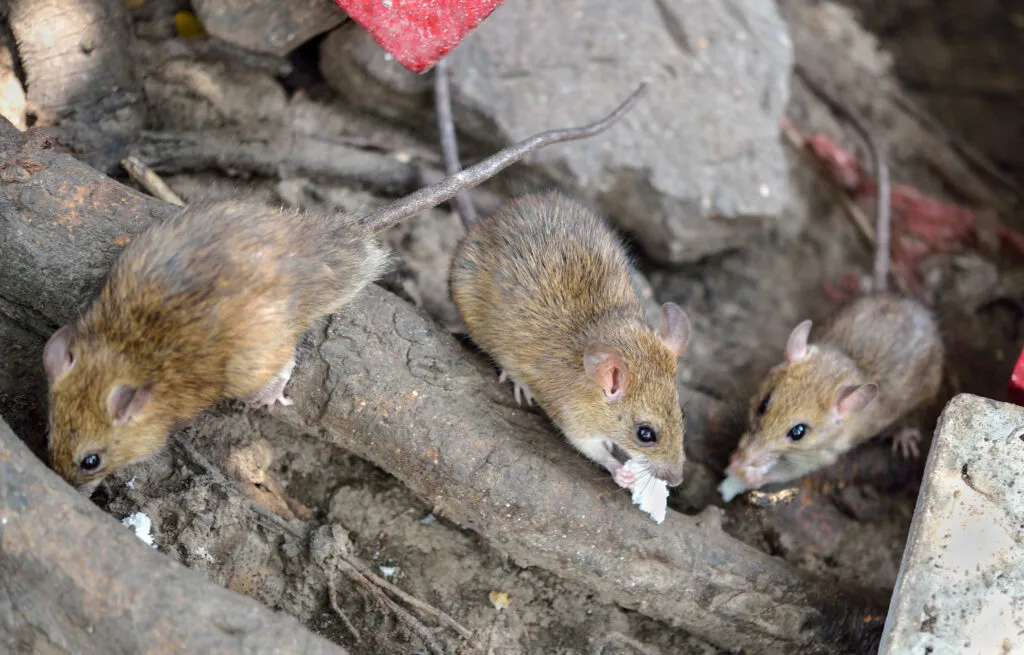
Why Professional Rodent Control Matters
Rodent problems in West Palm Beach are on the rise, and DIY approaches rarely solve the full problem. Rats and mice reproduce rapidly - a small issue can become a serious infestation in a matter of weeks through exponential population growth.
Professional assessment identifies the full scope of an infestation, including entry points, nesting sites, and the species involved. Without this understanding, treatments are incomplete and the problem returns.
Common Rodents in West Palm Beach
Two primary rodent species cause the majority of problems in West Palm Beach homes and businesses. Identifying which species you're dealing with is critical to effective control.
Norway Rats
- Stocky build with blunt noses - larger and heavier than roof rats.
- Prefer burrowing and ground-level access to structures.
- Commonly found in basements, crawl spaces, and landscaping around foundations.
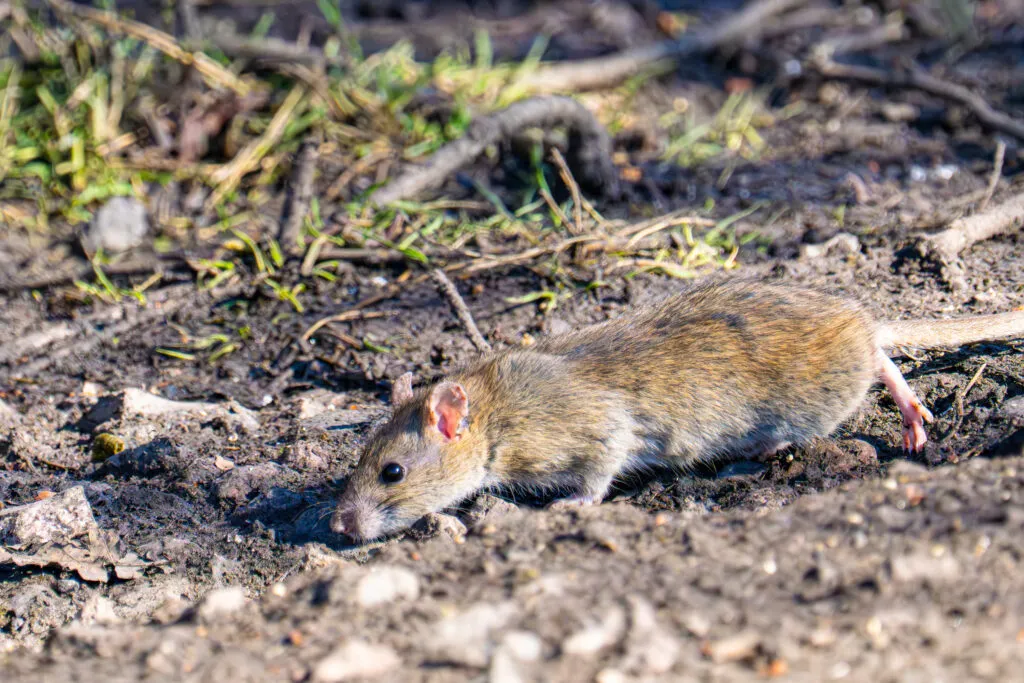
Palm Rats (Black Rats / Roof Rats)
- Slender build with pointed noses - lighter and more agile than Norway rats.
- Excellent climbers that prefer high places and elevated pathways.
- Found in attics, palm trees, and along rooflines throughout South Florida.
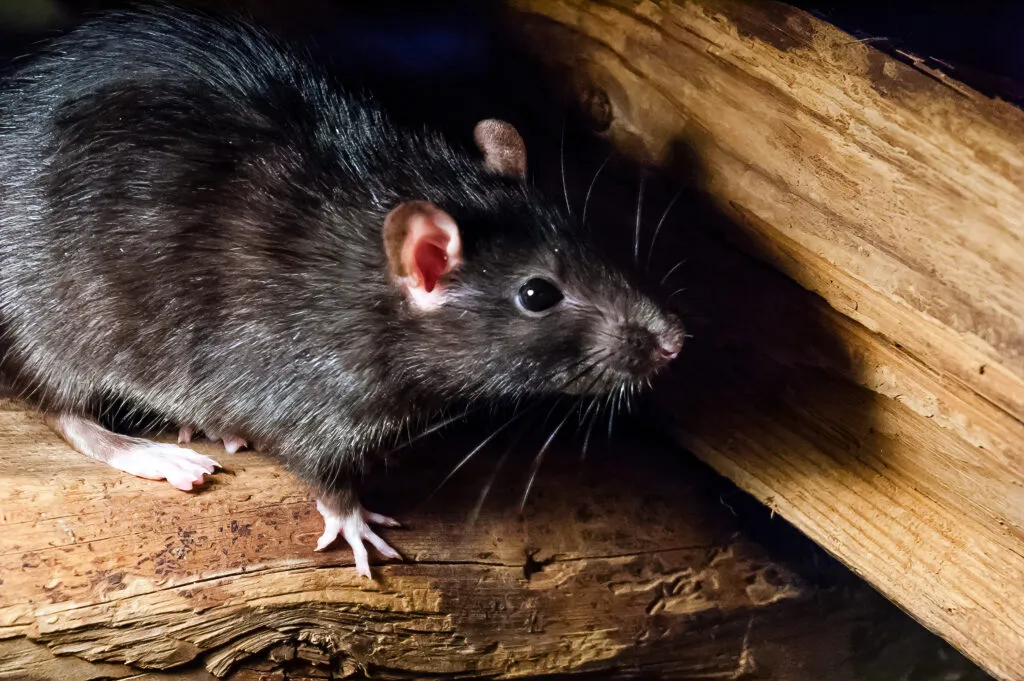
Rodent Removal Services
Effective rodent removal starts with proper identification and targeted action.
- Targeted trapping based on species identification - different rats require different approaches.
- A regular check, document, and adjust cycle ensures trapping remains effective as the population changes.
- Humane and effective methods that resolve the problem without unnecessary harm.
Rodent Baiting Programs
Strategic baiting programs provide ongoing population control, especially for properties with persistent rodent pressure.
- Locked, tamper-resistant bait stations placed in strategic locations around the property.
- Monthly monitoring and replenishment to maintain continuous protection.
- Designed to be safe for homes with children and pets - stations are secured and inaccessible to non-target animals.
Rodent Exclusion
Exclusion is the cornerstone of long-term rodent control. Sealing entry points prevents new rodents from replacing the ones that have been removed.
- Sealing entry points with appropriate materials including steel wool, metal flashing, and concrete.
- Installing metal door sweeps on exterior doors to eliminate ground-level gaps.
- Screening vents and soffit openings to block access to attic spaces.
- Repairing damaged soffits and fascia that provide easy access for roof rats.
- Trimming tree branches away from the roofline to remove aerial pathways.
Integrated Pest Management Approach
The most effective rodent control combines multiple strategies into a comprehensive program.
- Combines removal, sanitation, exclusion, and ongoing monitoring for complete coverage.
- The most effective long-term strategy - addressing root causes rather than just symptoms.
- Reduces the need for chemical treatments by focusing on physical barriers and habitat modification.
Health Risks from Rodents
Rodents are not just a nuisance. They carry diseases that pose serious health risks to you and your family.
- Hantavirus - transmitted through contact with rodent urine, droppings, or saliva.
- Leptospirosis - a bacterial infection spread through contaminated water or soil.
- Salmonella - spread when rodents contaminate food or food preparation surfaces.
- Rat-bite fever - transmitted through bites, scratches, or contact with a dead rodent.
- Flea-borne illnesses - rodents carry fleas that can transmit diseases to humans and pets.
Seasonal Rodent Behavior in South Florida
Understanding seasonal patterns helps you anticipate and prevent rodent activity before it becomes a crisis.
- Fall: Increased indoor activity as temperatures drop and rodents seek shelter.
- Winter: Attics and garages become preferred nesting sites for warmth and protection.
- Spring: Breeding season accelerates, leading to rapid population growth.
- Summer: Population peaks, outdoor activity increases, and competition for resources drives rodents into new areas.
Warning Signs of Rodent Activity
Early detection is key. Watch for these signs that rodents may be active in or around your property.
- Droppings - small, dark pellets found along walls, in cabinets, or near food sources.
- Gnaw marks - on wires, wood, plastic, and food packaging.
- Scratching sounds at night - particularly in walls, ceilings, or attic spaces.
- Grease trails along walls - dark smear marks left by oily fur as rodents travel the same paths repeatedly.
- Nests in hidden areas - shredded paper, fabric, or insulation gathered into ball-shaped nests.
- Unusual pet behavior - dogs or cats fixating on walls, cabinets, or specific areas of the home.
- Musky odor - a distinct, stale smell that intensifies as the population grows.
Service Areas
Bugstinct provides rodent control services throughout West Palm Beach and surrounding communities including Wellington, Palm Beach Gardens, Lake Worth Beach, and Royal Palm Beach.