Brown Recluse Spiders in Broward County, FL: What You Need to Know

Brown recluse in Florida

Spotting a spider indoors can be unsettling, especially when it looks brown, quick, and unfamiliar. Many Broward County residents worry about brown recluse spiders, often because of their reputation and the stories passed around about dangerous bites. While these spiders do exist in parts of the southern United States, they are far less common in Florida than people believe. Understanding what they look like, how they behave, and how to prevent accidental encounters helps reduce worry and keeps your home safer.

Even though Florida has its share of spiders, the brown recluse is not widespread here. Most sightings turn out to be different species that share similar coloring. Still, learning what sets true brown recluses apart can help you make informed decisions and prevent unnecessary alarm.

What Does a Brown Recluse Look Like?

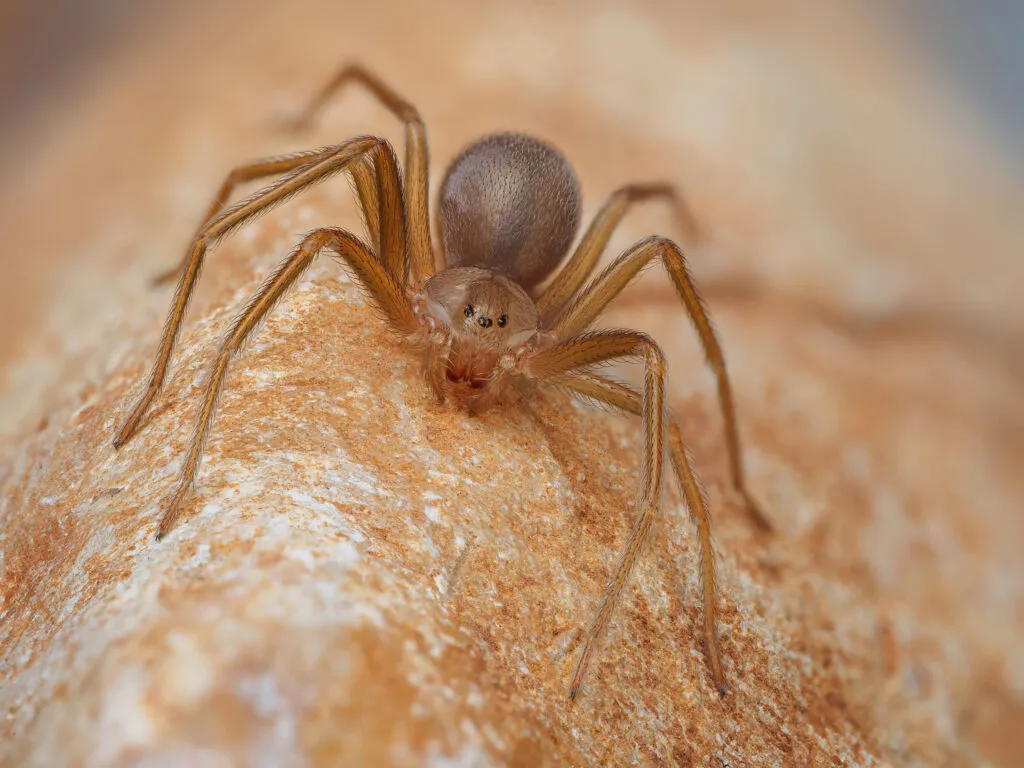
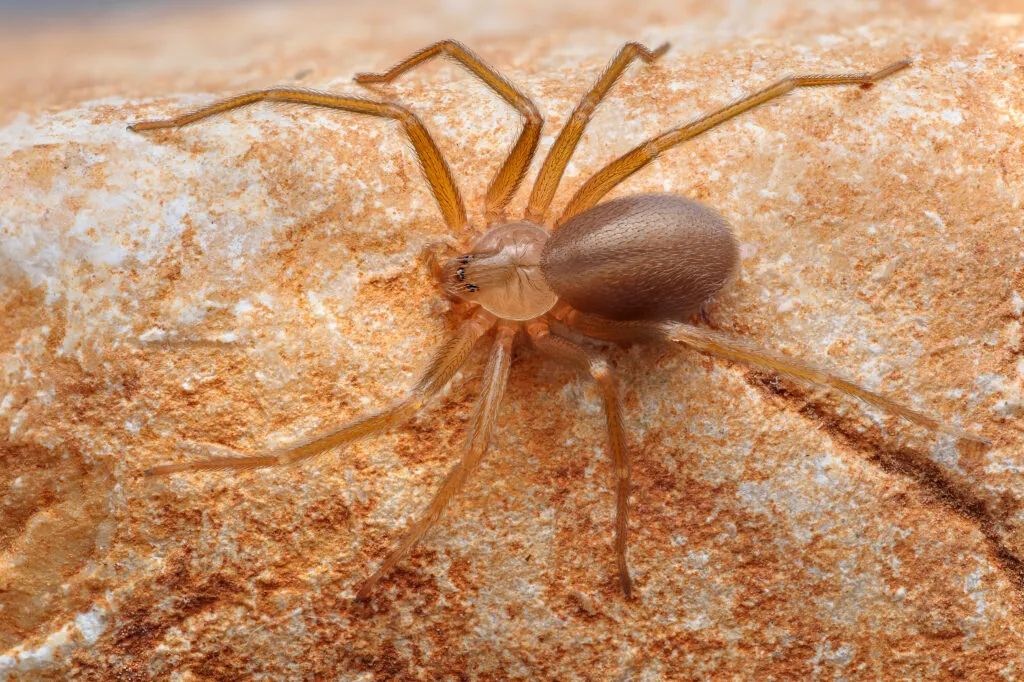
Mediterranean recluse spider, violin spider (Loxosceles rufescens), Brown recluse spider, in its wild habitat.

Correct identification matters, especially in a warm and humid region like Broward County where other brown spiders thrive. A brown recluse has several unique features that separate it from the everyday spiders you might see around your home.

Key identifying features include:

  • A dark violin or fiddle-shaped marking on the back
  • Tan to dark brown coloring
  • Six eyes arranged in pairs, instead of eight
  • Long, thin legs covered in fine hairs
  • A plain abdomen with no stripes or patterns

Their subtle appearance helps them hide well in dim, quiet areas. Many local harmless spiders have patterned bodies or different eye arrangements, so those differences help rule out a recluse. The six-eye feature alone eliminates many look-alikes found in Florida homes.

How Big Is a Brown Recluse?

Brown recluses are small enough to be overlooked yet large enough to surprise you when they move. An adult typically has a body between a quarter and three-quarters of an inch. Including legs, they measure roughly the size of a quarter.

This size allows them to slip into tight spaces between boxes, behind furniture, and inside stored clothing. People often encounter them by accident while cleaning garages or handling items that have been undisturbed. Their small size and ability to hide well increase the chance of accidental contact.

Where Do Brown Recluse Spiders Live?

In Florida, brown recluses are not considered a native species, but isolated pockets can exist. When they appear, they prefer the same conditions they favor in other states: quiet, dry, dark spaces where they won’t be disturbed.

Common indoor hiding spots include:

  • Basements and crawl spaces
  • Attics and storage areas
  • Inside closets and wardrobes
  • Behind furniture and appliances
  • In boxes and storage containers
  • Inside shoes and folded clothing

Outdoors, they hide under debris, woodpiles, and rocks. Broward County’s humid climate is less ideal for them than dry southern states, but cluttered or undisturbed indoor areas can still provide attractive shelter.

Because they avoid light and are active mostly at night, many people never notice them even if one finds its way inside. They come out after dark to hunt small insects, relying on their stealth rather than webs.

Are Brown Recluse Spiders Dangerous?

This is the question homeowners worry about most. Brown recluse bites can be medically significant, but the reputation of these spiders is often exaggerated. Bites are uncommon, and severe reactions are even rarer.

The severity of a bite depends on:

  • How much venom was injected
  • The person’s overall health
  • Age and immune response
  • Location of the bite
  • How quickly treatment is received

Children, older adults, and people with compromised immune systems may experience stronger reactions. However, deaths from brown recluse bites in the United States are extraordinarily rare. Most bites cause mild, self-limited symptoms.

A brown recluse only bites when pressed against skin or when it feels trapped. It does not seek people out or act aggressively. Most homeowners who encounter them never experience a bite at all.

What Does a Brown Recluse Bite Look Like?

Recognizing the early signs of a brown recluse bite helps ensure you seek the right care. Many bites start with minor symptoms and are often painless at first.

Common bite symptoms include:

  • A pale or white center surrounded by redness
  • A blue or purple ring around the area
  • A red, white, and blue color pattern
  • Blistering within 24–48 hours
  • Increasing pain or tenderness
  • Possible ulceration or slow-healing sores

Severe reactions can involve necrosis, where tissue breaks down and forms an open wound. Not every bite escalates to this level, and many conditions mimic brown recluse bites, which leads to frequent misidentification.

How to Treat a Brown Recluse Bite

Medical Disclaimer: This information is for educational purposes only. Always seek professional medical guidance if you suspect a brown recluse bite. Only a qualified healthcare provider can diagnose and treat medical conditions.

Immediate first aid steps include:

  • Clean the area with soap and water
  • Apply a cold compress to reduce swelling
  • Keep the affected area elevated
  • Use over-the-counter pain relievers if needed
  • Monitor symptoms for changes

Medical care becomes necessary if symptoms worsen. Watch for signs such as fever, nausea, or increasing redness.

Warning signs needing immediate attention include:

  • Worsening severe pain
  • Fever or chills
  • Nausea or vomiting
  • Spreading discoloration
  • Signs of infection such as pus or warmth
  • Difficulty breathing

Early evaluation leads to better outcomes, especially if the wound shows signs of infection or spreading tissue damage.

How to Prevent Brown Recluse Spiders in Your Home

Prevention is the easiest way to avoid accidental encounters. In Broward County’s humid climate, good home maintenance reduces indoor insect populations, which in turn makes your home less appealing to spiders.

Effective prevention strategies include:

  • Reducing clutter in attics, closets, and storage rooms
  • Sealing cracks and gaps in walls, foundations, and around windows
  • Storing items in sealed plastic containers
  • Shaking out shoes and clothing before wearing them
  • Wearing gloves when handling stored items
  • Vacuuming corners, closets, and hidden areas regularly
  • Removing outdoor debris piles and woodpiles
  • Installing door sweeps and weather stripping

Keeping your home clean and sealed also reduces other pests, which decreases food sources for spiders.

Protect Your Broward County Home with Bugstinct

Understanding brown recluse spiders is important, but keeping your home safe is much easier with professional help. At Bugstinct, we know the pest pressures that Broward County families deal with, from everyday house spiders to more concerning species. We identify hidden hotspots, treat active infestations, and put long-term prevention in place.

When you call us, we inspect your home with care, treat problem areas, and help you keep spiders and other pests out for good. Our team uses targeted methods that protect your family, your pets, and your peace of mind. If you want a spider-free home, we’re ready to help. Reach out to Bugstinct and let us take care of the problem so you don’t have to worry about what’s hiding in the dark.

Share

More Articles

Rodent control in West Palm Beach FL

Types of Rodent Control Services in West Palm Beach

Rodents can turn any West Palm Beach home or business into a stressful place. Scratching in the walls, droppings in

Wolf spiders in Miami-Dade

Grass Spider vs. Wolf Spider in Miami-Dade: How to Tell Them Apart

If you’ve ever seen a fast-moving spider dart across your patio or hide near your landscaping in Miami-Dade, you’re not

Poisonous spiders in Florida

Poisonous Spiders in Florida: What Broward County Residents Need to Know

Florida’s warm, humid climate creates an ideal environment for a wide range of spider species, including a few venomous ones

Norway rat Florida

Understanding Norway Rat Behavior and Prevention In Florida

Winter in Broward County may not bring harsh freezes, but even a modest drop in temperature changes how Norway rats

Brown recluse in Florida

Brown Recluse Spiders in Broward County, FL: What You Need to Know

Spotting a spider indoors can be unsettling, especially when it looks brown, quick, and unfamiliar. Many Broward County residents worry

Wolf Spiders in Broward County, FL: What You Need To Know

Seeing a large, fast-moving spider rush across the floor can make anyone jump. In Broward County, this surprise often comes