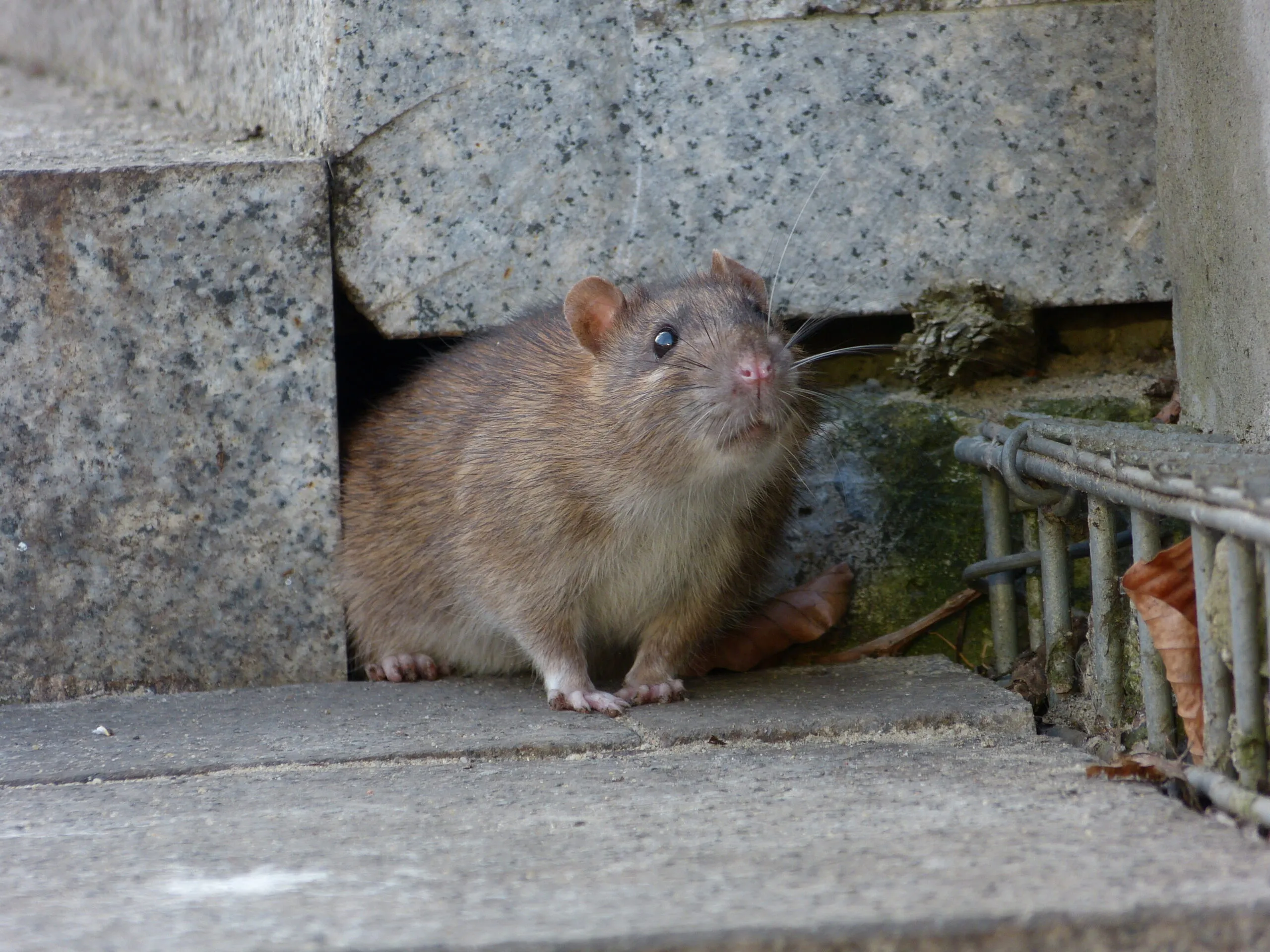
Winter in Broward County may not bring harsh freezes, but even a modest drop in temperature is enough to drive Norway rats indoors. These large, ground-dwelling rodents are among the most common pests in South Florida, and when the weather cools, they begin searching for shelter, food, and water inside homes and businesses.
Understanding Norway rat behavior during the cooler months can help homeowners take the right steps before a small problem turns into a full infestation.
Why Norway Rats Move Indoors in Broward County Winters
Even though South Florida winters are mild by national standards, the shift in temperature and humidity is enough to change rodent behavior. Norway rats are highly sensitive to environmental changes and will seek out warm, stable environments when outdoor conditions become less comfortable.
Temperature drops-even modest ones of just 10 to 15 degrees-push Norway rats to seek warmth inside structures. They are drawn to wall voids, crawl spaces, attics, and basements where temperatures remain consistent.
Humidity fluctuations also play a role. During the cooler dry season, outdoor water sources can become scarce, making the condensation and standing water inside buildings more attractive. Leaky pipes, pet bowls, and even air conditioning drip pans become reliable water sources for these pests.
What makes this especially dangerous is the speed at which Norway rats reproduce. A single female can produce up to 12 pups per litter and have four to seven litters per year. That means one pair of rats can lead to dozens of offspring in a matter of months, making early action absolutely critical.
Common Signs of Norway Rat Activity
Norway rats are nocturnal and cautious, so homeowners may not see them directly. Instead, look for these telltale signs:
- Droppings near food storage or along walls. Norway rat droppings are dark, capsule-shaped, and about 3/4 inch long. You will often find them in kitchen cabinets, pantries, along baseboards, and near entry points.
- Scratching sounds in walls or ceilings, especially at night. As nocturnal creatures, Norway rats are most active after dark. Scratching, scurrying, or gnawing sounds within wall voids or above ceiling tiles are common indicators.
- Grease marks along baseboards from oily fur. Norway rats tend to follow the same paths repeatedly. Their oily fur leaves dark rub marks along walls, pipes, and other surfaces they brush against.
- Gnaw marks on wood, plastic, or wiring. Norway rats must constantly gnaw to keep their incisors from overgrowing. Look for fresh gnaw marks on door frames, storage containers, and electrical wiring.
- A strong, musky odor in enclosed spaces. A persistent, ammonia-like smell in cabinets, closets, or storage areas can indicate an active rat population nearby.
- Burrows in soil near foundations. Unlike roof rats, Norway rats prefer to stay at ground level. They often dig burrows alongside building foundations, under sidewalks, or beneath dense vegetation.
Why Infestations Create Significant Risks
A Norway rat infestation is more than a nuisance. These rodents create real risks for your property and your family's health:
- Bacteria contamination of food and surfaces. Norway rats carry pathogens like Salmonella, Leptospira, and E. coli. They contaminate food, countertops, and utensils through their droppings, urine, and direct contact.
- Electrical wiring damage. Rats gnaw on electrical wiring inside walls, creating a serious fire hazard. Damaged wiring is one of the leading causes of house fires attributed to rodent activity.
- Insulation destruction. Rats tear apart insulation to build nests, reducing your home's energy efficiency and creating costly repair needs.
- Structural weakening from gnawing and burrowing. Over time, gnawing on wood framing and burrowing beneath foundations can compromise the structural integrity of a building.
- Allergens from droppings and dander. Rat droppings, urine, and dander become airborne particles that can trigger allergic reactions and aggravate asthma, especially in children.
- Rapid population growth. As mentioned, one pair of Norway rats can produce dozens of offspring in a single year. Without intervention, a minor problem can become a major infestation in weeks.
Why DIY Approaches Often Fail
Many homeowners attempt to handle rat problems on their own, but Norway rats are intelligent and highly adaptable. Here is why DIY methods frequently fall short:
- Rats learn quickly and avoid traps after failed attempts. Norway rats are neophobic, meaning they are naturally suspicious of new objects in their environment. If a trap snaps without catching a rat, that rat-and others nearby-may avoid the area entirely.
- Household materials are not rodent-proof. Steel wool, caulk, and expanding foam may seem like adequate sealants, but Norway rats can chew through most household materials. Professional-grade exclusion products are required for lasting results.
- Hidden openings remain unsealed without professional inspection. Rats can enter through gaps as small as a quarter. Many entry points-under eaves, behind utility lines, through damaged stucco-are not visible without a trained eye and thorough inspection.
What a Winter Rodent Inspection Typically Finds
A professional rodent inspection during the winter months often reveals vulnerabilities that homeowners overlook. Common findings include:
- Stucco cracks large enough for entry. South Florida homes with stucco exteriors are especially vulnerable. Even hairline cracks can widen over time, creating openings that rats exploit.
- Gaps around AC lines and utility penetrations. The areas where air conditioning lines, plumbing pipes, and electrical conduit enter the home are common entry points if not properly sealed.
- Open soffits or damaged roof returns. Gaps where the roof meets the wall-known as roof returns-are frequently left open during construction and provide easy access for rodents.
- Disturbed insulation in attics. Compressed, shredded, or displaced insulation is a clear sign that rodents have been nesting in the attic space.
- Rub marks along common travel paths. Dark, greasy streaks along rafters, pipes, and wall edges indicate established rodent highways.
How Exclusion Helps Reduce Winter Rat Activity
Exclusion is the most effective long-term strategy for keeping Norway rats out of your home. Rather than simply trapping or baiting the rats that are already inside, exclusion focuses on sealing the entry points they use to get in.
- Heavy-gauge hardware cloth over vents and openings. Standard window screen is not strong enough to keep rats out. Professional-grade hardware cloth made from galvanized or stainless steel is installed over vents, weep holes, and other openings.
- Metal flashing around roof edges and utility lines. Metal flashing creates a physical barrier that rats cannot gnaw through. It is commonly installed along roof edges, around pipe penetrations, and at the base of walls.
- Rodent-resistant sealants for smaller gaps. Professional-grade sealants reinforced with steel fibers or other chew-proof materials are used to close smaller gaps that do not require hardware cloth or flashing.
Seasonal Awareness in South Florida
One of the biggest misconceptions about pest control in South Florida is that warm weather means year-round outdoor pest activity. While it is true that there is never a true freeze that stops rodent activity entirely, seasonal patterns still influence behavior.
Early winter to early spring is the peak period for indoor rodent movement. As temperatures dip and the dry season reduces outdoor water availability, rats become more aggressive about finding shelter and resources inside homes and businesses.
Year-round monitoring is recommended in South Florida. Even during the warmer months, Norway rats remain active and can establish new colonies if conditions are favorable. Regular inspections and maintenance of exclusion barriers are the best way to stay ahead of potential problems.
Bugstinct: Your Broward County Rat Control Team
If you have noticed signs of Norway rat activity in or around your home, do not wait for the problem to grow. Bugstinct provides professional rodent control services throughout Broward County, including thorough inspections, targeted trapping, and long-term exclusion solutions.
Our team understands the unique challenges of rat control in South Florida and uses proven methods to protect your home and family. Whether you are dealing with an active infestation or want to prevent one before it starts, we are here to help.
Contact Bugstinct today to schedule your rodent inspection and take the first step toward a rat-free home.