Pest Control Checklists -- Preparation Guides for South Florida Homeowners
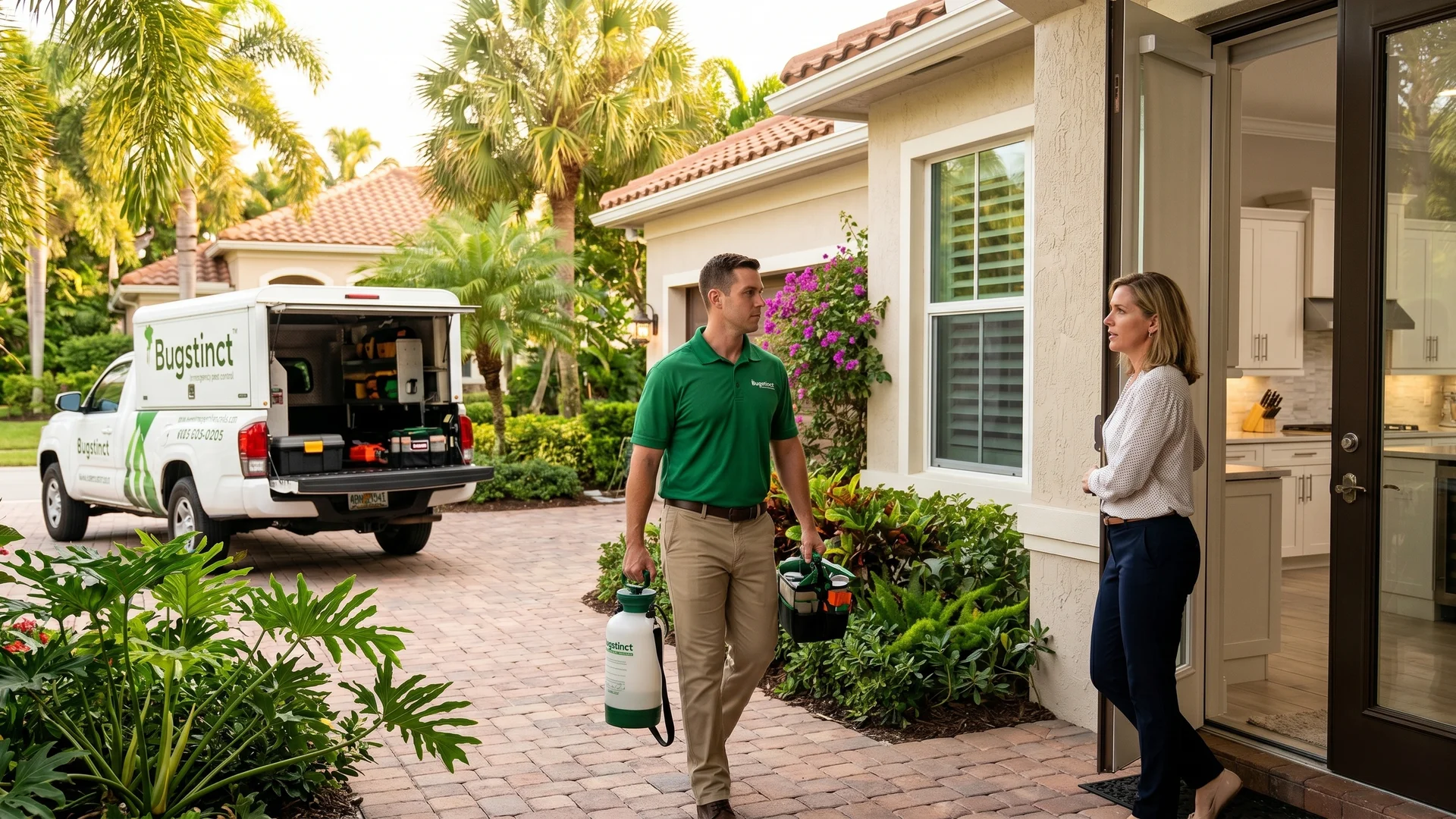
What you do before a pest control service visit significantly affects what the visit can accomplish. These checklists give South Florida homeowners specific, actionable preparation steps for two situations: general pest prevention to reduce ongoing pest pressure, and bed bug treatment preparation to maximize service effectiveness.
- Pest prevention checklist -- ongoing steps to reduce pest attractiveness
- Bed bug treatment prep checklist -- what to do before the technician arrives
- South Florida-specific pest prevention guidance
- Preparation steps that directly affect service effectiveness
Why Preparation Makes a Difference in Pest Control Results
A licensed technician can only treat what they can access. Preparation that clears treatment zones, removes competing products, and gives the technician line-of-sight to harborage zones consistently improves service effectiveness. This is especially true for bed bug treatment, where cluttered floors and unlaundered bedding reduce the technician's access to the harborage zones that must be treated for the service to produce a durable result.
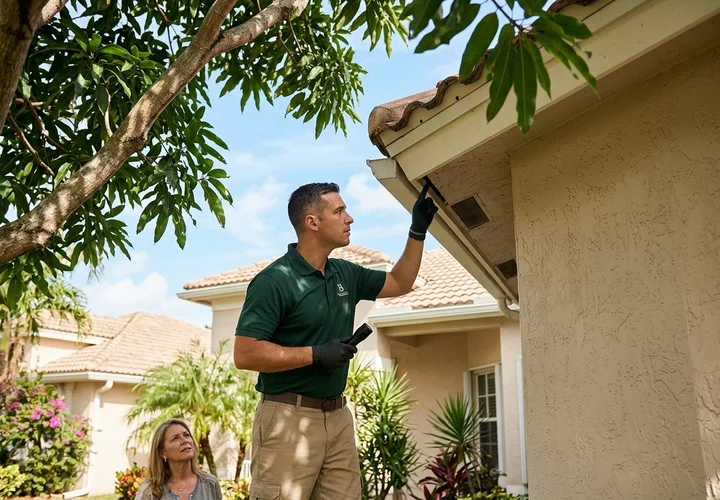
General pest prevention preparation -- reducing conducive conditions around the property -- is equally important for long-term results. A monthly pest management program maintains the exterior barrier effectively, but a yard with six inches of landscape mulch touching the foundation, standing water in plant saucers, and a tree canopy overhanging the roofline creates ongoing pest pressure that undermines the barrier treatment.
These checklists provide the specific preparation steps that South Florida homeowners most often overlook -- organized as actionable lists rather than general guidance.
How to Use These Pest Control Checklists
Two checklists for two different preparation contexts.
Choose the Right Checklist for Your Situation
Use the Pest Prevention Checklist if you want to reduce ongoing pest pressure at your property through structural and environmental improvements. Use the Bed Bug Treatment Prep Checklist if you have a confirmed bed bug situation and want to maximize the effectiveness of an upcoming professional service visit.
Complete Checklist Steps Before the Service Visit
Both checklists include steps that should be completed before the technician arrives. For bed bug treatment, the preparation window is 24 to 48 hours before the scheduled service. For pest prevention, the checklist includes both immediate action items and ongoing maintenance steps.
Ask the Technician Which Steps Were Done Correctly
When the technician arrives, mention which checklist steps you completed. The technician can confirm whether the preparation was adequate and identify any additional steps before beginning treatment.
Maintain Prevention Steps Ongoing
Pest prevention is not a one-time preparation -- it is a set of ongoing property maintenance habits. The pest prevention checklist includes ongoing steps that reduce property attractiveness to pest species month over month.
What Good Preparation Accomplishes for Each Checklist Type
Pest Prevention -- What Conducive Conditions Allow and What Removing Them Prevents
The pest species most common to South Florida homes -- ghost ants, German roaches, palmetto bugs, and roof rats -- all require the same basic conditions to establish: moisture, food access, harborage, and a physical path into the structure. A monthly pest management service addresses the chemical barrier and entry point sealing components. The homeowner's maintenance actions address the moisture, food access, and harborage conditions that the technician cannot change during a service visit.
Landscape mulch touching the foundation creates a moisture-rich harborage zone for palmetto bugs, ants, and moisture-dependent insects within six inches of the building perimeter. Tree branches overhanging the roofline provide a bridge that bypasses the ground-level perimeter barrier and gives roof rats direct access to the soffit. Plant saucers that hold standing water create mosquito breeding sites within feet of the living space. These conditions are the homeowner's domain -- and addressing them is what makes the pest management program sustainable.
Bed Bug Prep -- What Unlaundered Bedding and Floor Clutter Cost the Treatment
Bed bug harborage zone access is the most important factor in treatment effectiveness. A technician cannot apply crack-and-crevice treatment to a bed frame that has clothing piled against it. A technician cannot inspect the baseboard in a room where the floor is covered with personal items and luggage. Preparation that clears these access zones directly affects the completeness of the treatment.
Unlaundered bedding and clothing that remain on the bed or floor during treatment create a re-introduction risk after service. Bed bugs sheltering in bedding that is not laundered before treatment may not be directly exposed to the treatment products. High-heat laundering before the service appointment eliminates any individuals sheltering in soft goods and reduces the population the technician needs to address in harborage zones.
Prepared Homeowner vs. Unprepared Homeowner -- Service Effectiveness Comparison
| Comparison | No Preparation | Checklist-Prepared Homeowner |
|---|---|---|
| Bed bug harborage access | Cluttered floors and furniture block technician access to baseboards and bed frame joints | Clear floors and moved furniture allow full harborage zone treatment |
| Bed bug re-introduction risk | Unlaundered bedding may contain bed bugs not exposed to treatment | High-heat laundered bedding eliminated shelter for any individuals in soft goods |
| Consumer spray interference | Repellent residue from prior consumer spray reduces gel bait uptake | No prior spray -- gel bait uptake is unimpeded |
| Landscape conducive conditions | Mulch at foundation, standing water, tree canopy contact maintained | Mulch cleared, standing water eliminated, tree contact removed |
| Entry point sealing effectiveness | Utility gaps and weep holes not identified by homeowner | Known gaps reported to technician; sealing scope clarified before visit |
Pest Control Checklist Questions South Florida Homeowners Ask
What should I do before a general pest control visit?
Why does bed bug treatment preparation matter so much?
Can I stay home during pest control service?
What pest prevention steps make the biggest difference for South Florida homes?
Pest Control Checklists Available
Actionable preparation guides for South Florida homeowners.
Pest Prevention Checklist
Ongoing steps to reduce conducive conditions and pest attractiveness at your South Florida property. Organized by area: exterior, kitchen, bathroom, attic, and yard.
Bed Bug Treatment Prep Checklist
Step-by-step preparation guide for bed bug treatment. What to do 24 to 48 hours before the service visit to maximize treatment effectiveness and reduce re-introduction risk.
Why Preparation Makes Pest Control More Cost-Effective
Prepared homeowners get better results and require fewer follow-up service visits.
Complete Treatment Zone Access
Preparation that clears harborage zones gives the technician access to every area that needs treatment. Incomplete access leads to incomplete treatment and a higher likelihood of needing a callback.
Fewer Callbacks and Follow-Up Visits
Prepared homeowners have lower callback rates because the initial treatment is more complete. Each callback takes technician time and the homeowner's time -- preparation that prevents them has real value.
Reduced Ongoing Pest Pressure
Pest prevention maintenance steps reduce the conditions attracting pests to the property. Less pest pressure means less chemical treatment needed at each monthly visit to maintain control.
Better Outcomes Per Service Dollar
The monthly service rate pays for the technician's time and products. Preparation that maximizes the effectiveness of that time delivers better outcomes for the same service investment.
Pest Control Checklists Available
Ready to Prepare Your Home for Professional Pest Control?
Download the checklists and call Bugstinct to schedule. Licensed, guaranteed pest control across South Florida. Same-week appointments available.