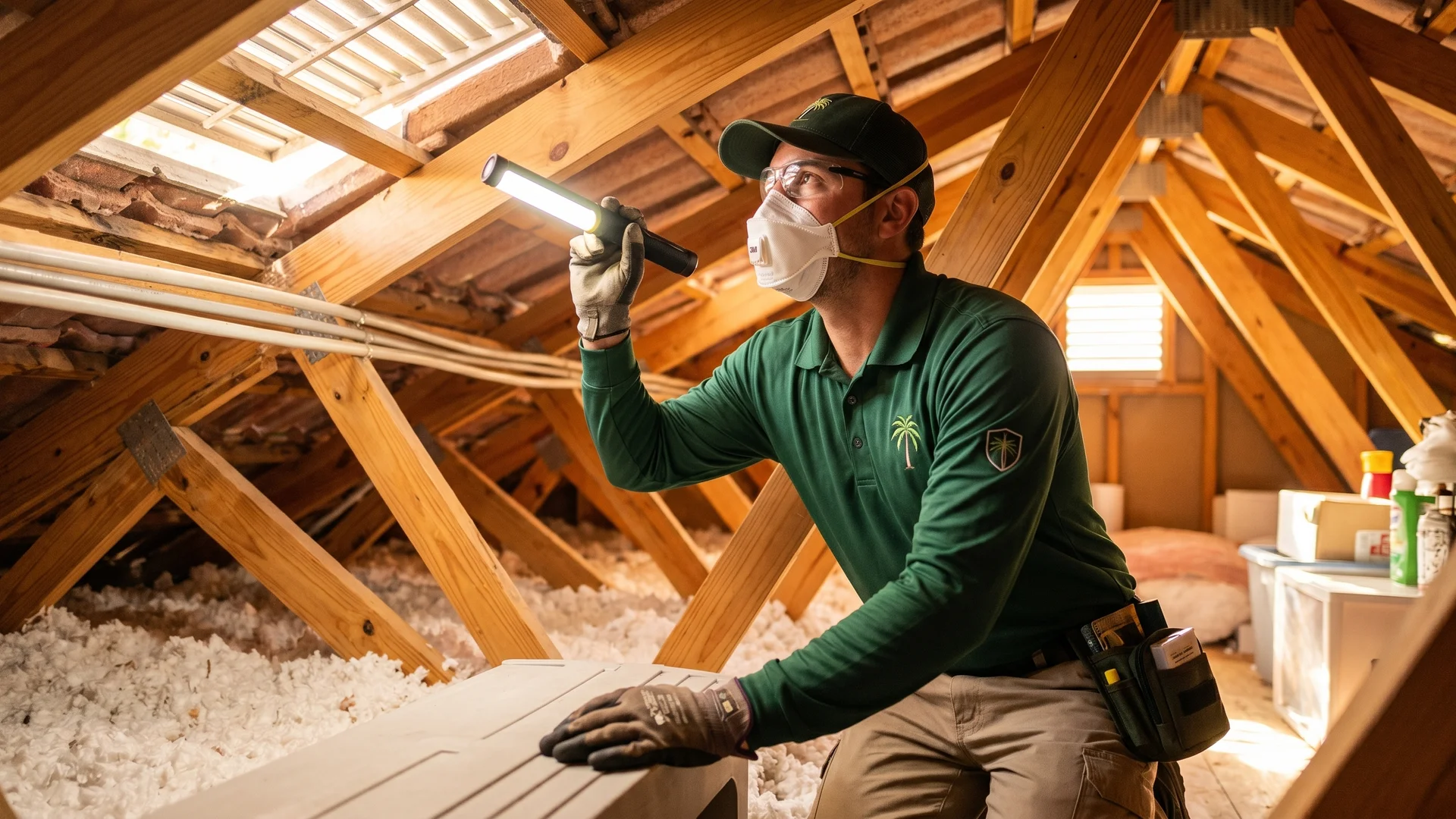
Pest Management in Pembroke Pines, FL — Strategy Over Spray
Pest management is not the same as pest control. Pest management means understanding the biology of the pest species in your home, identifying why they are there, addressing the source conditions that attract and sustain them, and building a long-term plan that prevents infestation rather than reacting to it. Pembroke Pines homeowners who have tried repeated spray treatments without lasting results are usually missing the management layer — the systematic approach that makes treatments stick.
- Pest biology and source identification — not just surface treatment
- Integrated Pest Management approach calibrated to Pembroke Pines conditions
- Quarterly planning and seasonal adjustment included
- 30-day guarantee on every treatment service
Why Standard Spray Treatments Keep Failing in Pembroke Pines
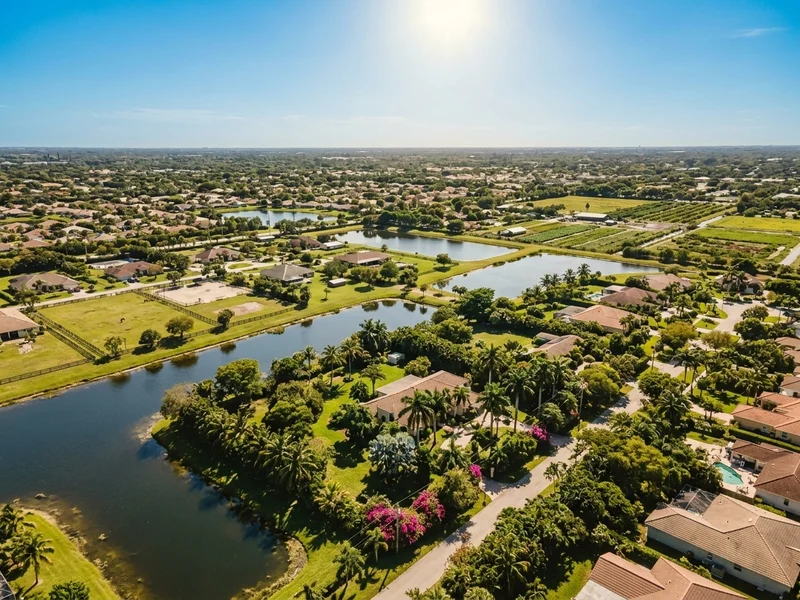
Pembroke Pines sits at an ecological crossroads. The western boundary touches conservation land feeding into the Everglades. The C-11 and C-13 canals carry constant moisture through the city's interior. Mature tree canopies in Silver Lakes, Chapel Trail, and Walnut Creek provide harborage and travel corridors for roof rats. Warm temperatures year-round mean insects never fully cycle down. In this environment, a spray that kills what it contacts is a delaying tactic — not a solution.
Effective pest management in Pembroke Pines requires understanding which species are present, what is drawing them to a specific property, what conditions sustain them, and what combination of treatments addresses the biology rather than the symptom. A ghost ant colony cannot be eliminated by killing the visible foragers. German roach populations grow faster than surface repellents reduce them. Subterranean termite colonies forage underground and never appear on the surface until damage is already occurring.
Bugstinct's pest management approach is built on the Integrated Pest Management (IPM) framework — a standard used by Florida's Department of Agriculture and commercial food service facilities that prioritizes source treatment, exclusion, and monitoring over blanket chemical application.
How Integrated Pest Management Works in Pembroke Pines
A five-phase approach from assessment to long-term prevention.
Property Assessment and Pest Identification
A licensed technician performs a full property inspection covering interior, exterior perimeter, landscaping, and structural vulnerabilities. Every pest species identified is logged by location, population density indicator, and likely source. Species-level identification matters because ghost ant control and fire ant control require completely different approaches.
Source Condition Analysis
Why are these pests here now? Moisture sources, food access, harborage conditions, and entry pathways are all documented. A German roach infestation behind the refrigerator has a source condition — usually a moisture or food access point that is sustaining the harborage. Addressing source conditions reduces the need for repeated chemical treatment.
Targeted Treatment Using IPM Principles
Treatment is applied using the least-invasive approach that is effective for the pest and infestation scope. For interior ant control, non-repellent bait is preferred over broadcast spray. For exterior perimeter protection, a targeted barrier at entry points is preferred over full-yard chemical application. Treatments are calibrated to eliminate the population rather than scatter it.
Exclusion and Structural Recommendations
Chemical treatment has a half-life. Exclusion does not. After treating active populations, Bugstinct provides specific exclusion recommendations for the entry points and structural vulnerabilities found during inspection. Sealing a slab expansion joint that is the source of a ghost ant trail eliminates the entry, not just the ants.
Monitoring, Adjustment, and Seasonal Planning
Pembroke Pines pest pressure changes seasonally. Fire ant activity peaks in spring and fall. Mosquito populations surge during rainy season. Roof rats become more active in fall as temperatures cool. Monthly service visits include a reassessment of seasonal pressure and adjustment of the treatment approach to match what is active in the current season.
Pest Management in Pembroke Pines: What You Need to Know
The Canal System and Everglades Proximity
No other Broward County city has Pembroke Pines' combination of urban density and ecological adjacency. The C-11 canal — which runs east to west through the city between Pines Blvd and Sheridan Street — provides continuous mosquito breeding habitat even during dry months when standing water elsewhere has evaporated. Properties backing up to the canal banks see substantially higher mosquito pressure than interior-lot homes in the same zip code.
The western city limits border South Florida Water Management District land that connects to the Big Cypress National Preserve. This creates a wildlife corridor that brings Norway rats, raccoons, and other wildlife pests into canal-adjacent neighborhoods including Silver Lakes and areas west of Flamingo Road. Pest management for properties in these zones must account for constant wildlife pressure from the conservation border — exclusion and perimeter treatment are not one-time fixes but ongoing maintenance requirements.
Understanding this geography is not trivia — it changes the pest management strategy. A home one mile east of the canal may manage fire ants and ghost ants primarily. A home directly adjacent to the canal may need a combined strategy for mosquitoes, rodents, and insects simultaneously.
Pest Management for Pembroke Pines HOA Communities
A significant percentage of Pembroke Pines residents live within HOA communities. Silver Lakes, Chapel Trail, Pembroke Isles, Cobblestone Creek, and Towngate are among the largest — each with hundreds to thousands of homes under shared property standards. HOA pest management has specific requirements: treatments must be professional in appearance, non-disruptive to neighbors, and appropriately documented when required by the association.
Shared landscaping and common area pest pressure creates a reintroduction problem that single-property treatments cannot fully solve. Ghost ant colonies spanning multiple properties recolonize treated homes from neighboring yards. Community-wide pest management planning — coordinating service timing across neighboring homes — is more effective for sustained ant and mosquito control in HOA settings than isolated single-property treatment cycles.
Pest Management vs. Reactive Pest Control in Pembroke Pines
Why a systematic management approach outperforms repeated reactive treatments.
| Comparison | Reactive Pest Control | Bugstinct Pest Management |
|---|---|---|
| Problem framing | Pest is visible; spray to make it go away | Pest is present; understand why and eliminate the source |
| Species identification | Often skipped; same product applied to all pests | Species-level ID determines treatment protocol |
| Source conditions | Not addressed; pest returns when product fades | Source conditions documented and addressed through exclusion |
| Seasonal adjustment | Same service regardless of seasonal pest pressure changes | Treatment adjusted for Pembroke Pines seasonal pest cycles |
| Long-term cost | Higher — repeated treatments for persistent infestations | Lower — source treatment reduces reinfestation frequency |
Pest Management FAQs for Pembroke Pines, FL
What is Integrated Pest Management and how is it different from regular pest control?
Why do my pest problems keep coming back despite regular pest control treatments in Pembroke Pines?
How does Pembroke Pines canal proximity affect pest management needs?
Do I need to do anything before a pest management visit?
How often should pest management visits occur in Pembroke Pines?
What Bugstinct Pest Management Covers in Pembroke Pines
Source-targeting treatment and monitoring for every pest species common to Pembroke Pines properties.
Ant Population Management
Colony-targeting bait for ghost ants, big-headed ants, and fire ants. Non-repellent approach eliminates the colony rather than scattering foragers. Exterior perimeter and harborage zone coverage prevents recolonization.
Cockroach Lifecycle Interruption
IGR (insect growth regulator) combined with gel bait targets all life stages including eggs and nymphs. Treatment is placed at harborage zones, not broadcast on surfaces. German roach and American roach protocols are distinct.
Mosquito Population Reduction
Barrier spray and larvicide targeting resting and breeding sites. Effective for Pembroke Pines canal-adjacent properties where standing water is a persistent breeding source that cannot be fully eliminated.
Pest Monitoring and Trend Tracking
Each monthly visit includes an assessment of whether pest pressure is increasing, stable, or declining. Bait stations, sticky traps, and inspection findings build a baseline that allows early detection of new infestation pressure before it becomes visible.
Exclusion Consultation
After identifying entry points during inspection, Bugstinct provides specific exclusion recommendations. Sealing slab expansion joints, garage door sweeps, utility penetrations, and soffit gaps is the highest-leverage long-term pest reduction step available to homeowners.
Seasonal Pressure Adjustment
Pembroke Pines pest pressure cycles with Florida seasons. Fire ants peak in spring and fall. Mosquitoes surge in rainy season. Roof rats increase activity in fall. Monthly plans adjust treatment focus to match the current season's dominant pest pressure.
The Bugstinct Pest Management Difference in Pembroke Pines
Why homeowners who switch to a management approach see different results than those who remain in the spray cycle.
Pest Pressure Declines Over Time
With proper source treatment and ongoing exclusion, pest pressure in a managed Pembroke Pines home consistently declines over the first three to six months of service. Reactive spray programs tend to maintain a steady-state infestation level that requires the same repeated response every month.
Lifecycle-Level Control
IGR treatments target pest reproduction rather than just live adults. Interrupting the reproductive cycle — especially for cockroaches and certain ant species — produces faster and longer-lasting population reduction than contact kill alone.
Fewer Emergency Calls Over Time
Pest management that maintains consistent population pressure below visible threshold levels reduces the incidence of emergency infestations. Homeowners on active monthly management plans contact Bugstinct for non-emergency follow-up far more often than for active infestation response.
Reduced Chemical Exposure Over Time
IPM's preference for targeted application over broadcast treatment means that a properly managed Pembroke Pines home typically requires less total product volume per year than one in a reactive treatment cycle. Less product in the home is better for families, pets, and the local water table.
Related Pest Services in Pembroke Pines
Get a Pest Management Plan Built for Pembroke Pines
If spray treatments keep failing and the same pests keep coming back, the issue is the approach — not the product. Bugstinct's pest management program starts with understanding why pests are present in your specific Pembroke Pines property and builds a plan around elimination, exclusion, and prevention. Same-week appointments available.