How Much Does Pest Control Cost? Here’s What You Need to Know

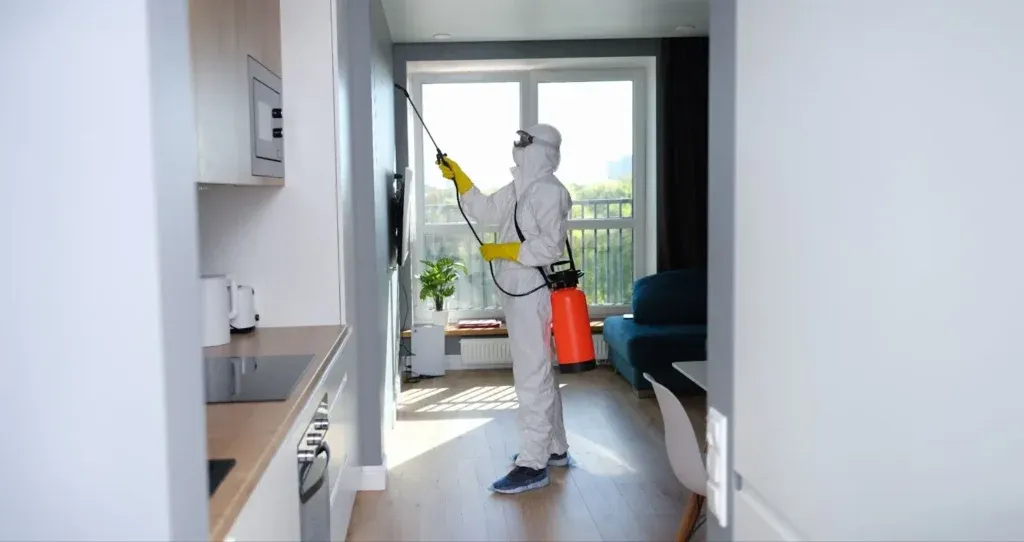
man spraying house with chemicals for pest control

When unwanted guests like ants, roaches, or rodents invade your home, the first question on many homeowners’ minds is often, “How much does pest control cost?” The answer is not always a simple one.

Pest control prices can vary widely based on several key factors. This guide explores the different types of treatments, the elements that influence pricing, and offers insights into DIY options versus professional services. Understanding these variables can help make an informed decision and budget for a pest-free home.

How Much Does Pest Control Typically Cost?

The average cost of pest control can fluctuate significantly. A small issue with ants might cost very little, while a major termite infestation could run into the thousands. The prices depend on the type of pest, the severity of the problem, and the treatment method required.

A one-time visit is usually more expensive than a recurring service plan, which often includes regular inspections and treatments to keep pests from returning.

To give you a clearer picture, here is a general overview of pest control costs. The figures represent typical ranges for common services, but remember that your specific situation may affect the final price.

PestsAverage Extermination Cost Range
Ants$100 – $500
Bed bugs$350 – $1,200
Cockroaches$100 – $600
Fleas$100 – $400
Mice and other rodents$450 – $600
Wasps$150 – $300
Bats$230 – $730
Mosquitos$100 – $500
Termites$200 – $2,000

What Are the Average Pest Control Costs by Treatment Type?

Understanding the various treatment methods helps explain the differences in pest control rates. Each method has a different level of effectiveness and price point. Some treatments are more suited for minor issues, while others are necessary for major infestations.

Let’s look at some of the most common treatment types and their associated costs.

Treatment TypeAverage Cost Range
Physical trap$100 – $600
DIY sprays and vacuuming$15 – $75
Personal spraying$100 – $3,000
Heat treatment$300 – $4,000
Tented fumigation$1,500 – $8,000

Physical trap

Physical traps, such as snap traps for rodents or sticky traps for insects, are a simple and often inexpensive solution for small pest problems. These are usually a DIY option and can be bought at most hardware stores.

The cost is low, typically a few dollars for a pack of traps. While they can be effective for a single mouse or a few insects, they are not a comprehensive solution for a larger infestation. They address a symptom, not the root cause.

DIY sprays and vacuuming

Homeowners can buy a wide range of DIY sprays and repellents. These products are readily available and provide a quick fix for minor issues. The cost for these is low, usually under fifty dollars.

Vacuuming is another simple method, especially for pests like spiders or carpet beetles. While these methods can offer temporary relief, they rarely get to the source of the problem. Pests may return quickly if the nest or source is not found and eliminated.

Personal spraying

This involves a homeowner applying a store-bought insecticide spray to specific areas. It is an affordable option, with products ranging from twenty to fifty dollars. It is often a first step for someone dealing with a minor problem.

However, personal spraying can be ineffective if the product is not applied correctly or if the infestation is widespread. It is not a substitute for the expertise of a professional exterminator who can identify the source and apply professional-grade treatments safely.

Heat treatment

Heat treatment is a specialized method used to kill pests like bed bugs. It involves heating a space to a temperature that is lethal to the pests at all life stages. This method is highly effective and does not require the use of chemicals.

However, it is also one of the more expensive options. The cost is high because it requires specialized equipment and a professional team to operate it. It is often the preferred choice for a severe bed bug infestation.

Tented fumigation

Tented fumigation is a whole-structure treatment used primarily for termites and some other wood-destroying pests. A professional team seals the entire house with a large tent and then releases a fumigant gas. This gas penetrates deep into the wood to kill pests.

This is the most expensive and complex treatment method available. It requires homeowners to vacate their home for several days and is reserved for the most severe infestations. The high pest control pricing for this service reflects its complexity and effectiveness in treating widespread problems.

Pest Control Exterminator Man Spraying Termite Pesticide In Office

Which Key Factors Influence Pest Control Pricing?

So how much does it cost for pest control? When considering how much it costs for pest control, you will find that a few key variables significantly affect the final price. Understanding these factors can help you get a more accurate estimate for your specific situation.

The complexity of the problem and the resources required to solve it are the primary drivers of cost.

Type of Pest

The type of pest you are dealing with is a major factor in determining the cost. Some pests are easier and less expensive to treat than others. A simple ant problem might be solved with a single visit, while a bed bug or termite infestation requires more intensive, costly treatment. 

Pests like rodents often require trapping and removal, which is different from spraying for cockroaches. The professional will need different tools and strategies for each type of pest, which influences the pest control rates.

Treatment Method

The method chosen to eliminate the pest has a direct impact on the price. A basic spray treatment is cheaper than tented fumigation. Specialized treatments like heat remediation for bed bugs or baiting systems for termites are more expensive.

A professional exterminator will recommend the most effective method for the specific pest and severity of the infestation. The cost of the chemicals, equipment, and labor required for a particular method all factor into the total price.

Infestation Severity

The size and scale of the infestation are another crucial pricing factor. A small problem in a single room is far less expensive to treat than a widespread issue that affects the entire house. A minor issue may only require a one-time visit. A severe infestation may necessitate multiple treatments and follow-up visits over a period of weeks or months. The more severe the infestation, the more time and resources the professional will need, leading to a higher pest control cost.

Location and Home Size

Where you live can influence pest control prices. The cost of living and the local market for pest control services in your area will affect the final price. Additionally, the size of your home is a significant factor. A larger home has more space to treat, which means more time and materials are needed. A professional will often calculate the cost based on the square footage of the property.

Which DIY Techniques Work Best for Pest Control?

For those with a minor pest problem, some DIY techniques can be surprisingly effective. These methods can help manage a small issue and are often less expensive than hiring a professional. While they may not solve a major infestation, they can be a great first step.

1. Natural home repellents

Many common household items can serve as natural pest repellents. For example, peppermint oil is often used to deter mice and spiders.

A mixture of vinegar and water can be used to repel ants. These natural options are a great way to handle minor pest problems without using harsh chemicals. They are often inexpensive and easy to apply.

2. Boric acid and diatomaceous earth

Boric acid is a common ingredient in many insect-killing products. It can be used as dust in hard-to-reach areas to kill pests like roaches and ants. Diatomaceous earth is another natural dust made from fossilized algae.

When insects walk through it, it scrapes their exoskeletons and causes them to dehydrate. These products are effective for small infestations and are relatively low in cost.

3. Sealing entry points and cracks

One of the most effective DIY strategies is to prevent pests from entering in the first place. Sealing cracks and holes in your home’s foundation and walls can significantly reduce the number of pests that can get inside.

Using caulk, steel wool, or other materials to seal gaps around windows, doors, and pipes can make a big difference. This method is a great long-term solution.

Friendly Pest Control Worker and Happy Woman Shake Hands Outside House.

When Should You Call a Professional for Pest Removal?

While DIY methods can be helpful for minor issues, there are times when a professional’s expertise is needed. If you have a severe infestation, if the pests are dangerous, or if you can’t identify the source of the problem, it is time to call a professional.

A professional exterminator has the training and tools to handle problems that DIY methods cannot.

For residents of Broward County, a call to a top-rated pest exterminator like BUGSTINCT can give you peace of mind. They have the experience to handle any pest problem, big or small.

What Should You Look for When Hiring a Pest Control Professional?

Hiring a professional pest control service is a significant decision. You want to make sure you are choosing a reliable company that will get the job done right. Here are some key things to look for when you are researching pest control near me prices and services.

1. Proper licensing and certification

A reputable pest control company will have the necessary licenses and certifications. This proves that they have the training and knowledge to handle pests safely and effectively. Ask to see their credentials before hiring them.

2. Experience and specialization

Look for a company with a good track record. Experience in dealing with the specific type of pest you have is a big plus. Some companies specialize in certain pests, like termites or bed bugs, which means they will have more expertise in that area.

3. Safe and approved treatment methods

A good professional will use methods that are safe for your family and pets. Ask about the chemicals they use and whether they are approved by environmental and health agencies. They should also be able to explain how the treatments work.

4. Clear and detailed estimates

Before any work begins, you should get a clear and detailed estimate. This estimate should break down all the costs, including labor, materials, and follow-up visits. This prevents any surprises when you get the final bill.

5. Insurance coverage

A professional company should carry proper insurance, including liability and worker’s compensation. This protects you in case of any accidents or damages that occur during the treatment process.

6. Guarantees and follow-up support

Many companies offer a guarantee on their work. If the pests return within a certain period, their team will come back and treat the area again at no additional cost. This shows that they stand behind their service.

7. Customer reviews and reputation

Check online reviews and testimonials. What do other customers have to say about the company’s service and professionalism? A company with a good reputation is more likely to provide high-quality service.

8. Customized treatment plans

Every pest problem is unique. A good company will offer a customized treatment plan tailored to your specific situation. They should assess the problem and explain their proposed solution.

How To Prevent Common Pest Infestations

Preventing pests from entering your home in the first place is the best way to avoid the need for costly pest control services. 

A few simple habits can make a huge difference in keeping your home pest-free.

1. Seal entry points

Pests can find their way into your home through very small cracks and openings. Regularly inspect the exterior of your home and seal any gaps you find around windows, doors, and the foundation. This simple step is one of the most effective prevention methods.

2. Keep your home clean

A clean home is a less attractive home for pests. Clean up food crumbs, wipe down spills immediately, and take out the trash regularly. A tidy kitchen and dining area will help deter ants and roaches.

3. Store food properly

Pests are always looking for a food source. Store all food, including pet food, in sealed containers. Do not leave open bags of cereals or snacks in the pantry. This makes it harder for pests to access your food.

4. Maintain your yard

Your yard can be a haven for pests. Keep your lawn mowed and trim back any trees or shrubs that are touching your home. Remove any standing water from your yard, as it can be a breeding ground for mosquitoes.

5. Reduce clutter

Pests love to hide in cluttered spaces. Reduce clutter in your home, especially in basements and garages. Cardboard boxes and old newspapers are perfect homes for roaches and other pests.

Is Professional Pest Control Worth It?

When you consider the potential damage and health risks associated with pests, professional pest control is often a worthwhile investment. Pests can cause structural damage to your home, contaminate food, and spread diseases.

A professional exterminator can solve the problem quickly and effectively, providing long-term peace of mind. The cost of a professional service is often less than the cost of repairing the damage that pests can cause. Talk to us at BUGSTINCT to know how much it costs for pest control​.

Pest Control Costs FAQs

Here are some of the most common questions people ask about pest control prices. The answers provide a quick overview to help you understand the topic better.

How much is pest control on average?

The average cost of pest control varies widely, but a typical one-time visit for a common pest can range from $150 to $300. More complex problems, like termites or bed bugs, can cost significantly more.

Is monthly pest control worth it?

Monthly pest control is a great way to maintain a pest-free home year-round. It is often more cost-effective than a series of one-time treatments and provides ongoing protection from a variety of pests.

What is the hardest pest to get rid of?

Bed bugs and termites are often considered the hardest pests to eliminate. They are resilient and require specialized, intensive treatments to be completely eradicated.

How often do I really need pest control?

The frequency depends on your home’s location and the types of pests common in your area. For general prevention, a quarterly or bi-annual service plan is often recommended.

Can I sleep in my house after pest control?

In most cases, you can sleep in your house after a professional pest control treatment. However, your exterminator will provide specific instructions based on the type of treatment used.

Do exterminators give free estimates?

Many reputable pest control companies offer free estimates. It is a good idea to get quotes from a few different companies to compare pest control rates before making a decision.

What time of year is best for pest control?

The best time for pest control is often in the spring and fall. These seasons are a great time to apply preventative treatments to stop pests from entering your home before they become a problem.

Making the Best Choice for Your Home

Choosing the right approach to pest control comes down to a careful evaluation of the problem and your budget. While DIY methods can handle small issues, a serious infestation requires the knowledge and expertise of a professional.

When you are faced with a pest problem in Broward County, trust a top-rated pest exterminator like BUGSTINCT to provide a solution that is effective and lasting. Our experienced team can help you understand the pest control cost and develop a customized plan to protect your home.Are you ready to get started? Contact our pest control specialists today!

Share

More Articles

Rats eat mice in Miami-Dade

Rats Don’t Just Invade Home—They Hunt Mice In Them

Rats and mice often appear in the same neighborhoods, yet they do not live peacefully together. In fact, rats will

Rodent control in West Palm Beach FL

Types of Rodent Control Services in West Palm Beach

Rodents can turn any West Palm Beach home or business into a stressful place. Scratching in the walls, droppings in

Wolf spiders in Miami-Dade

Grass Spider vs. Wolf Spider in Miami-Dade: How to Tell Them Apart

If you’ve ever seen a fast-moving spider dart across your patio or hide near your landscaping in Miami-Dade, you’re not

Poisonous spiders in Florida

Poisonous Spiders in Florida: What Broward County Residents Need to Know

Florida’s warm, humid climate creates an ideal environment for a wide range of spider species, including a few venomous ones

Norway rat Florida

Understanding Norway Rat Behavior and Prevention In Florida

Winter in Broward County may not bring harsh freezes, but even a modest drop in temperature changes how Norway rats

Brown recluse in Florida

Brown Recluse Spiders in Broward County, FL: What You Need to Know

Spotting a spider indoors can be unsettling, especially when it looks brown, quick, and unfamiliar. Many Broward County residents worry