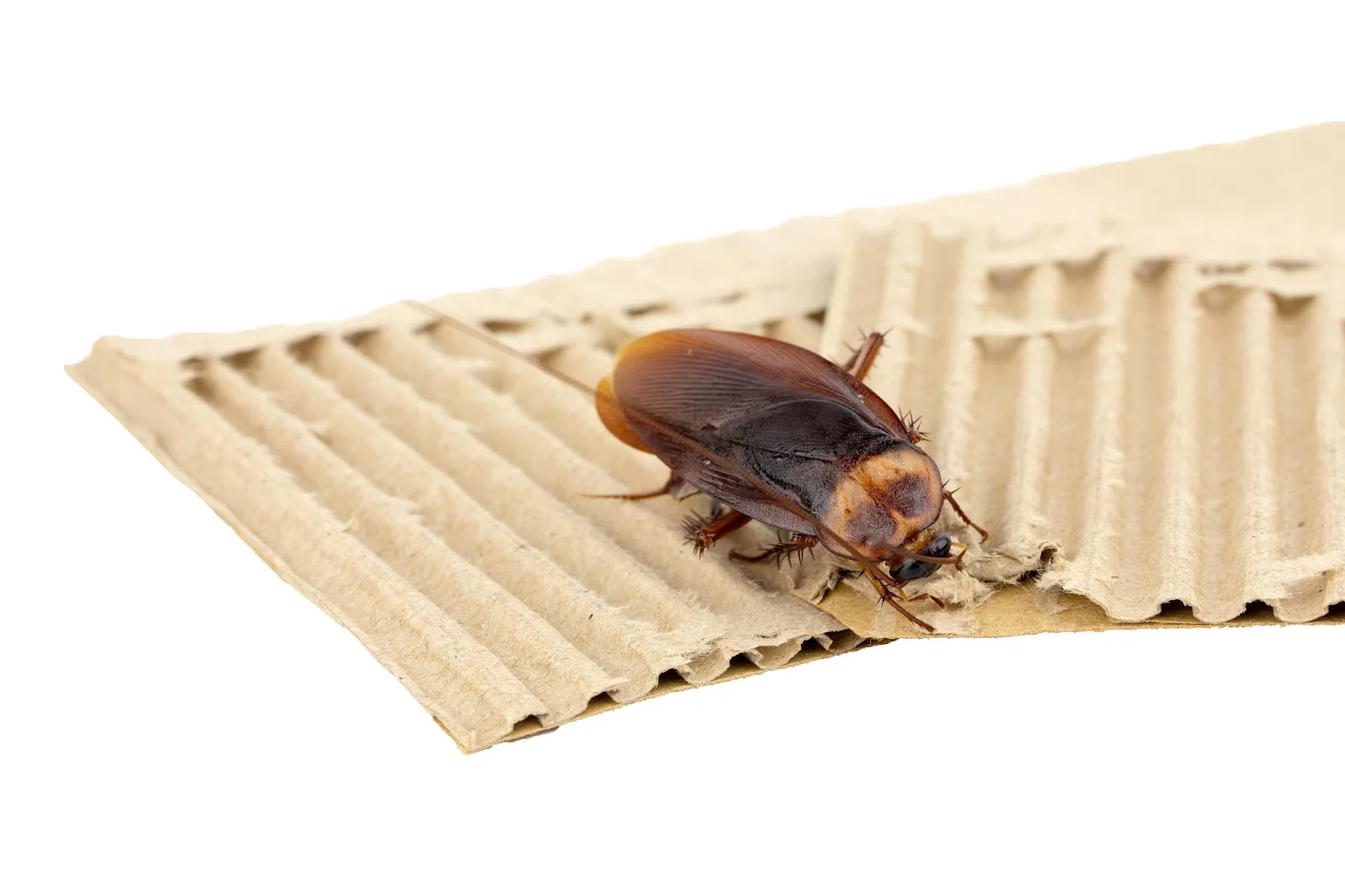
Waking up with a mysterious, itchy bite can be unsettling, especially when you can’t figure out the cause. While most people associate bug bites with mosquitoes or spiders, a less common but equally irritating culprit could be a cockroach.
Yes, these nocturnal pests are more than just a nuisance; under certain conditions, a cockroach can bite. Knowing how to identify, treat, and prevent these bites is crucial for your peace of mind and health.
This guide will walk you through everything you need to know about roach bites, from identifying the signs to effective treatment and, most importantly, prevention.
What Do Roach Bites Look Like?
Roach bites on humans are relatively rare, but when they do happen, they can be mistaken for other insect bites. So what does a cockroach bite look like? Knowing this is the first step toward proper treatment. They typically appear as red, slightly raised welts that can be quite itchy.
- The bite mark is often a small, red welt, similar to a mosquito bite but sometimes with a more distinct center.
- Cockroach bite marks may have a small, slightly sunken center where the skin was broken.
- These welts are often a few millimeters to a centimeter in diameter and can appear in clusters.
- Roach bites on skin can also be accompanied by a rash or a slightly swollen area around the bite.
When Do Roaches Bite People?
The question “do roaches bite humans?” is a common one, and the answer is yes, but it’s not their primary behavior. Roaches are generally scavengers and prefer to feed on food sources, crumbs, and decaying organic matter. A person might be bit by a cockroach under specific and rare circumstances.
- They may bite when food sources are extremely scarce, especially during a severe infestation.
- A roach might bite a person while they are sleeping if there are food residues like crumbs or grease on the skin.
- The bite can be a defensive reaction if the cockroach feels trapped or threatened.
- Cases of do roaches bite often occur in areas with poor sanitation and a high concentration of roaches.
What Happens if a Roach Bites You?

If a roach bites you, the immediate reaction is usually localized and not severe. However, some people might experience more pronounced symptoms. Knowing the potential outcomes can help you determine the best course of action. While the immediate danger is low, a bite can lead to other issues.
- Itching and Discomfort: The most common symptom of a roach bite is persistent itching. The bite can be quite uncomfortable, and scratching can lead to further irritation or infection.
- Allergic Reaction: Some individuals may have an allergic reaction to the proteins in a cockroach’s saliva. This can cause the welt to swell significantly, leading to hives, a rash, or in rare cases, more severe symptoms.
- Secondary Infection: Constant scratching of the bite can break the skin, allowing bacteria from your hands or the environment to enter the wound. This can lead to a secondary skin infection that may require medical treatment.
- Disease Transmission: While rare, cockroaches can carry and transmit pathogens. A bite might introduce these germs, although the risk of serious disease transmission is much lower compared to other insects like mosquitoes.
How long does it take for a roach bite to go away?
The duration of a roach bite can vary from person to person, depending on their skin sensitivity and whether they have an allergic reaction.
For most people, a cockroach bite will begin to fade within a few days. The redness and swelling typically subside within 24 to 48 hours, while the itching might persist for a few more days.
If the bite becomes infected due to scratching, or if an allergic reaction occurs, the healing time can be extended. It’s crucial to avoid scratching the bite to prevent secondary infections and promote faster healing.
How to treat a bite from a cockroach?
Treating a roach bite is similar to treating other insect bites. The goal is to alleviate the symptoms, prevent infection, and promote healing. With proper care, you can minimize discomfort and ensure the bite heals quickly without complications. Always clean the area first to remove any potential bacteria.
- Clean the Area: Immediately wash the bitten area with soap and warm water. This simple step helps to remove any bacteria the roach may have left behind and reduces the risk of infection. Pat the area dry with a clean towel.
- Apply a Cold Compress: To reduce swelling and numb the area, apply a cold compress or an ice pack wrapped in a cloth to the bite for 10-15 minutes. Repeat this process every few hours as needed. The cold also helps to relieve the itchiness.
- Use Anti-Itch Cream: An over-the-counter anti-itch cream containing hydrocortisone or calamine lotion can provide significant relief from the itching and redness. Apply a thin layer to the bite and follow the product’s instructions.
- Take an Oral Antihistamine: If the bite is particularly itchy or if you suspect an allergic reaction, an oral antihistamine like diphenhydramine can help. This medication can reduce itching and swelling from the inside out.
Roach Bite FAQs

Need to know more about roach bites? Read on to learn more.
How do I know if it’s a roach bite?
It can be difficult to tell for sure, as cockroach bites often resemble other insect bites. Key indicators include finding the bite in a cluster, particularly in the morning, and noticing other signs of roaches, like droppings or a musty odor, in your home.
Where do roaches bite?
Roaches tend to bite exposed skin while a person is sleeping. Common areas for roach bites on skin include the face, hands, neck, and arms, which are often left uncovered.
Can you get diseases from roach bites?
While rare, it’s possible. Roaches can carry bacteria and pathogens on their bodies. A bite could potentially transmit these germs, but the risk of contracting a serious disease is very low compared to other vectors like mosquitoes.
Do roach bites hurt?
Generally, no. Do roach bites itch? Yes, they are more likely to cause itching and irritation than actual pain. Most people don’t even wake up when they are bitten.
Do cockroaches bite in the day or night time?
Do cockroaches bite? They are nocturnal creatures and are most active at night. If a roach were to bite you, it would almost certainly happen while you are sleeping.
Are cockroach bites harmful and dangerous?
For most people, a roach bite is not harmful or dangerous. The primary concern is localized itching and the potential for a secondary skin infection from scratching.
What should I do if I have a cockroach infestation at home?
If you suspect or confirm a cockroach infestation, the most effective solution is to contact a professional pest control service immediately. They can identify the species and implement a targeted treatment plan to eliminate the problem.
The Last Word on Roaches and Prevention
While roach bites are a rare and usually minor annoyance, their presence indicates a bigger problem: a cockroach infestation. These pests can contaminate food, trigger allergies and asthma, and cause general distress.
A single bite should be a wake-up call to address the root cause. The best treatment for a bit by cockroach is proactive prevention, which means keeping your home clean, sealing cracks and crevices, and eliminating food and water sources. If the problem persists, it’s time to bring in the experts.
Don’t let roaches take over your home and peace of mind. For a permanent solution to your pest problems, trust the experts. Contact BUGSTINCT, the leading termite & pest exterminator in Broward County, today and reclaim your home.